Blog
Frost Seeding and Microbe Ranchers
March 12, 2021

When the ground freezes at night and thaws during the day, the topsoil expands and contracts leaving tiny fissures in the soil. The fissures are only there for a few weeks each spring, and only a few hours each day, but we make good use of them by “frost seeding” our pastures.
In the morning when the ground is frozen and contracted, we scatter pasture seed on the surface. The seeds fall into the cracks and are subsequently covered up again, later in the day, when the soil warms up and expands
First Run
March 5, 2021
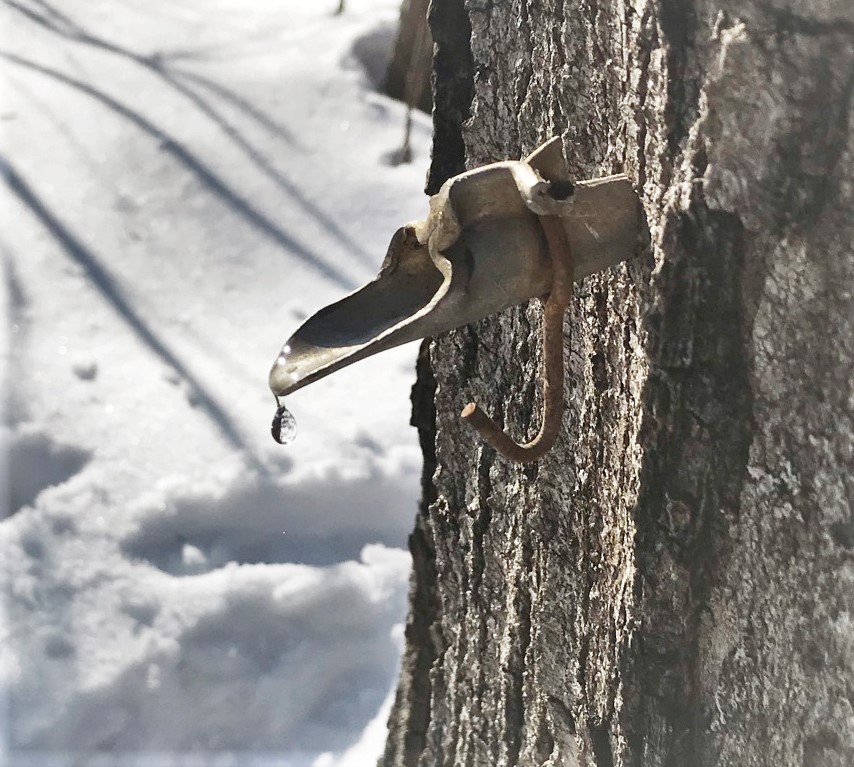
Sugaring season starts as soon as the days venture above freezing and it ends roughly 6 weeks later. The sap runs during those 6 weeks in weather dependent fits and starts. If its a warm day in the 50s, the sap will run hard and our buckets will overflow, and then there are days that never thaw, or nights that never freeze, and the taps run dry. It's a mixed blessing when the sap stops in between runs, as it gives us a chance to catch up and boil what we've already collected, but even though
It's Sugaring Time!
February 26, 2021
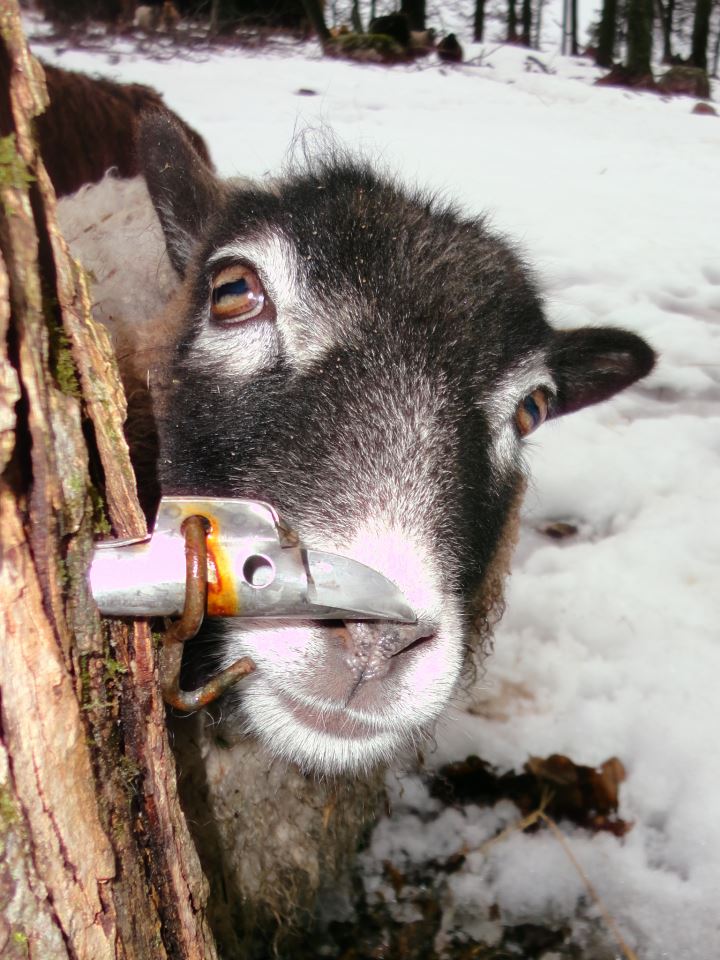
We finally tapped our sugar maples this week, and to me, that's the beginning of Spring.
I have friends who find my enthusiasm for this time of year hard to humor. To them it's still winter- or “late winter” at best - but to me Spring starts the moment the sap begins to drip into the bucket- no sooner, no later. There may still be months of snow, frozen ground, and freezing nights but the sun is stronger- and more sure of itself. The hens are starting to lay again, the water troughs beginning
Ancient Lake Hitchcock
February 19, 2021
15,000 years ago our ridge top home would have been beach front property on the shores of the very picturesque “Ancient Lake Hitchcock”. The 150 foot deep lake, which spanned from Rocky Hill to Saint Johnsbury, Vermont, was, I am sure, breathtakingly gorgeous, with stark white icebergs serenely juxtaposed against the turquoise water.
The ravine by our house likely helped drain the overflow from the lake, whenever the receding glacier “calved,” giving birth to new icebergs and causing the water
Leading Pigs to Water
February 12, 2021
I keep checking the weather forecast, wondering what happened to our January thaw.
The general rule of thumb is that maple sugaring season starts on Valentines Day, and in fact, the last few years the sap started flowing in the middle of January.
In order for the maple trees to perform their magic, they need freezing temperatures at night (which we certainly have) and daytime temperatures in the upper 40s - and right now that feels like a very long way off...
The bluebirds, unlike the maple
A Trackers Snow
February 5, 2021
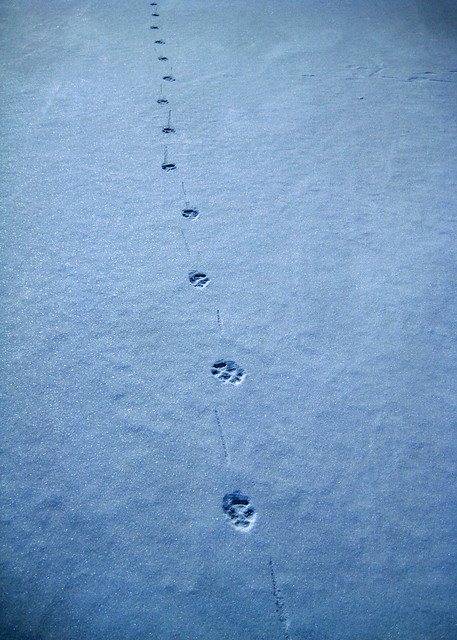
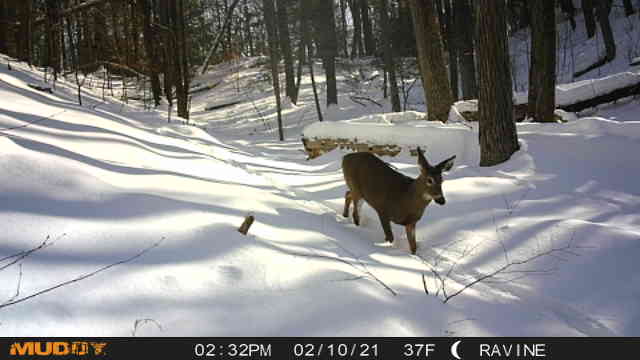
If pictures paint a thousand words, then tracks in the snow paint ten thousand more - ten thousand tiny portraits left behind, of all the animals that have wandered through.
The trail cameras we have keep vigil all day and night but they only give us a snapshot of a particular spot with just a fleeting glimpse into a single moment in time. However, with a couple inches of freshly fallen snow, I can scan our entire pasture, and the surrounding fields, and be 100% certain if a
Year End Thoughts
January 29, 2021
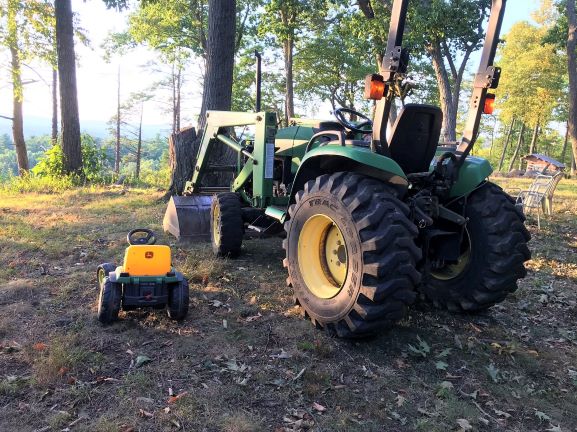
As we close the books on 2020, I'm really glad money isn't our only impetus.
I often get asked if farming is profitable- and the quick answer is no, and in fact, if the only measure of profit is financial gain, it's a definite no. Having worked as a construction manager, a profession where the ethos is “time is money, and money is everything,” I'm acutely aware that I could be making more money doing just about anything else. There will always be more profitable ways for me to spend my time,
Rooing Sheep
January 22, 2021

We scheduled our 2021 dates with our shearer, and have finally decided to go ahead and shear our flock twice this year. Our sheep's wool grows about a half an inch per month, so with a once yearly shearing we end up with roughly 6 inches of fiber, which is the maximum length that our spinnery can handle. Even without issues at the spinnery, last year a couple of the fleeces were so long they became matted beyond redemption and couldn't be used. Shearing twice a year is twice as expensive, and
Sacrifice Areas and Shed Hunting
January 15, 2021
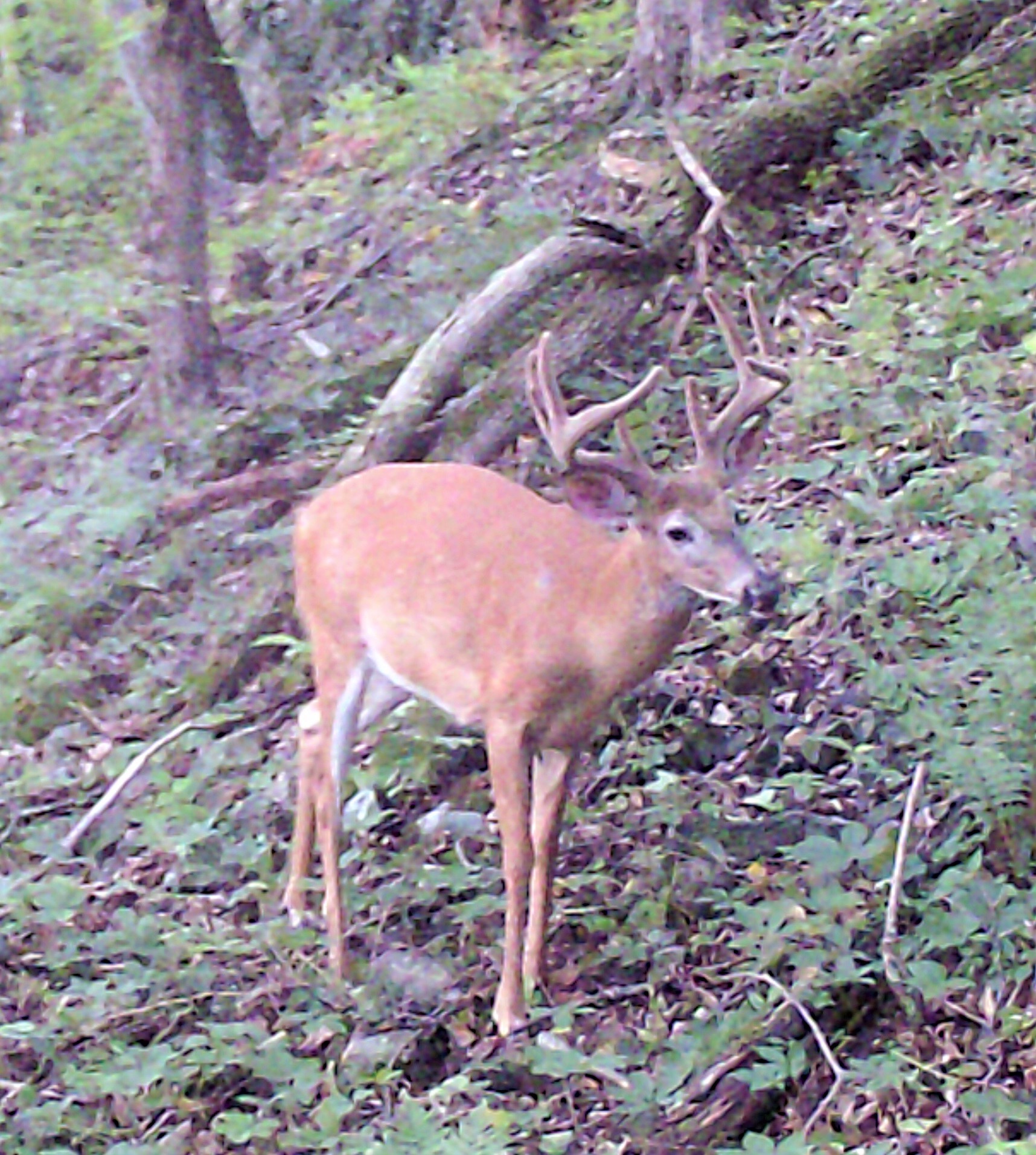
Most grass fed operations have a pasture which is ominously referred to as the “sacrifice area”. But despite what you are thinking, it's a really positive and proactive concept. The sacrifice refers to the pasture not the animals. It's where you graze your animals when it's too wet, or too dry, or if they are in danger of overgrazing. You keep them in the sacrifice area, and feed them hay, until the rest of the pasture recovers completely- the strategy being that you sacrifice one area
Farming with Pigs
January 1, 2021
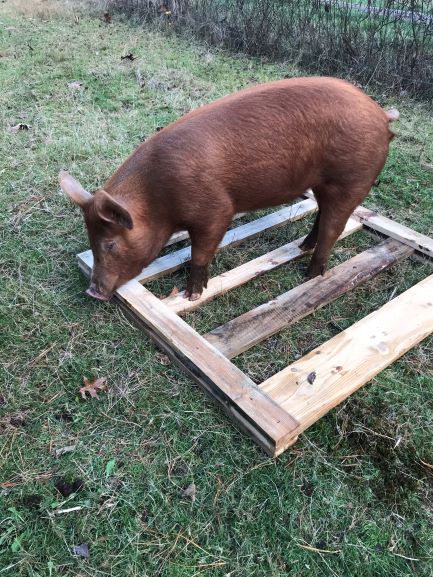
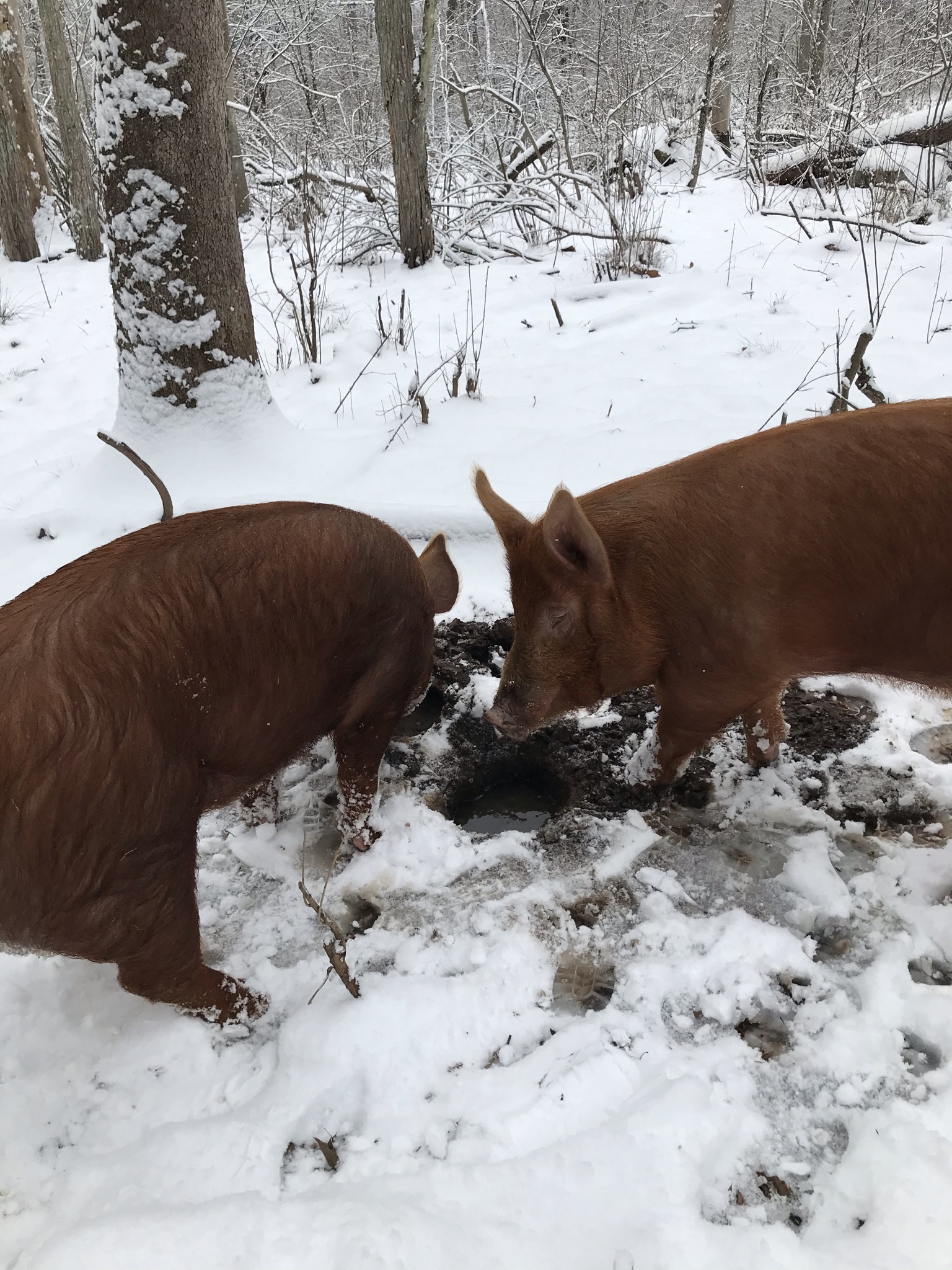
I spent way too much time this week pondering the inner thinkings of pigs and chickens... Trying to ascertain why they do the things they do, instead of just doing what I want them to do.
My requests are pretty straightforward, I want the chickens to lay eggs, and I want them to lay those eggs where I (the one who purchases their feed) can find them before the pigs have eaten them.
Pretty basic stuff.
And with the pigs- I'd happily settle for them just not undoing whatever it is I've just